he most decorated nation in European Championship history is Germany。with three titles from six final appearances. Spain sits right behind with three titles of their own, but their recent dominance—winning in 2008 and 2012—shifted the conversation about which federation truly owns the tournament's modern era. Italy, France, and Portugal each have two. Those five nations account for 13 of the 16 championships played since 1960. That concentration of success tells you something uncomfortable about the competitive balance of European football: the same countries keep showing up in the final week.Look closer at the all-time European Championship rankings and the gaps become more interesting than the totals. Germany have played more matches (58) and scored more goals (89) than any other side, yet their last title came in 1996. Spain's 2012 triumph capped a run of three consecutive major tournament wins。a stretch no European nation had managed before. France reached the 2016 final on home soil and lost to Portugal in extra time—a result that still feels like a statistical anomaly given the French squad's depth that summer. Portugal's 2016 title, meanwhile, came without winning a single group-stage match. Rankings reward consistency, but they can also flatten the texture of how those titles were won.
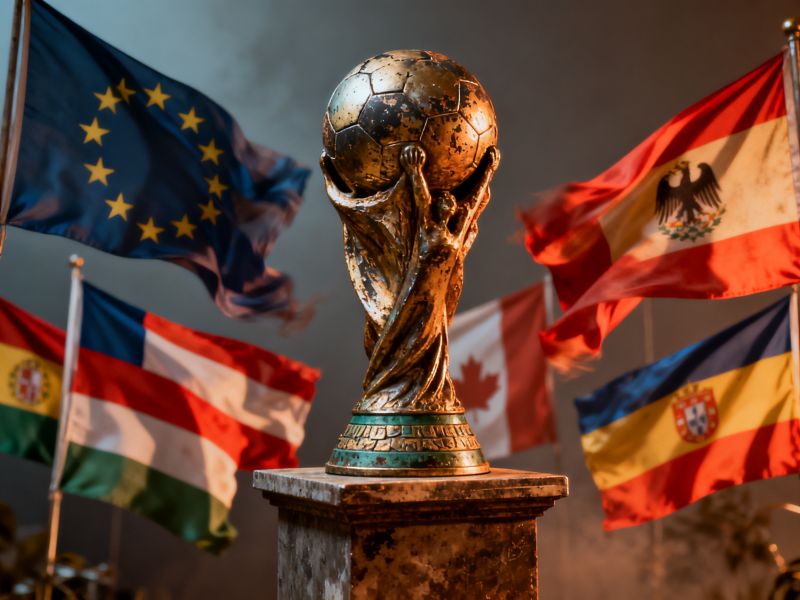
Beyond the top tier, the European Championship rankings reveal a second cluster of nations that consistently qualify and occasionally threaten: the Netherlands, Czech Republic (as Czechoslovakia and independently)。Denmark, and Greece. Denmark's 1992 win remains the tournament's greatest outlier—a team that was invited as a late replacement and beat Germany in the final. Greece's 2004 triumph was even more improbable by pre-tournament odds. These aren't flukes to be dismissed;they're evidence that the ranking system, which weighs titles heavily, sometimes undervalues the difficulty of reaching a semifinal from a smaller federation. The Netherlands have reached six semifinals since 1976 but converted only one into a title. That ratio stings more than their ranking position suggests.Recent editions have scrambled the traditional hierarchy. Italy's 2020 win—played across the continent in 2021—pushed them level with France and Portugal on two titles. England reached their first final since 1966。losing on penalties at Wembley. The 2024 edition in Germany added another data point: Spain's fourth title, making them the sole leader in European Championship rankings. That win also extended Spain's unbeaten run in the tournament to 14 matches, a record that had stood since 2012. The rankings now read Spain first, Germany second. For a generation of fans who grew up watching German efficiency dominate, that ordering takes adjustment.What the rankings cannot capture is the emotional weight of certain matches: Gazza's goal against Scotland in 1996, Portugal's tearful 2004 final loss at home, Iceland's thunderclap in 2016. These moments don't move nations up or down the table. They do explain why the European Championship。despite its smaller field than the World Cup, produces a denser kind of drama. Sixteen teams in the old format, twenty-four since 2016—more matches, more upsets, and a ranking system that still favors the established powers. Whether that's a flaw or a feature depends on which nation you support.